


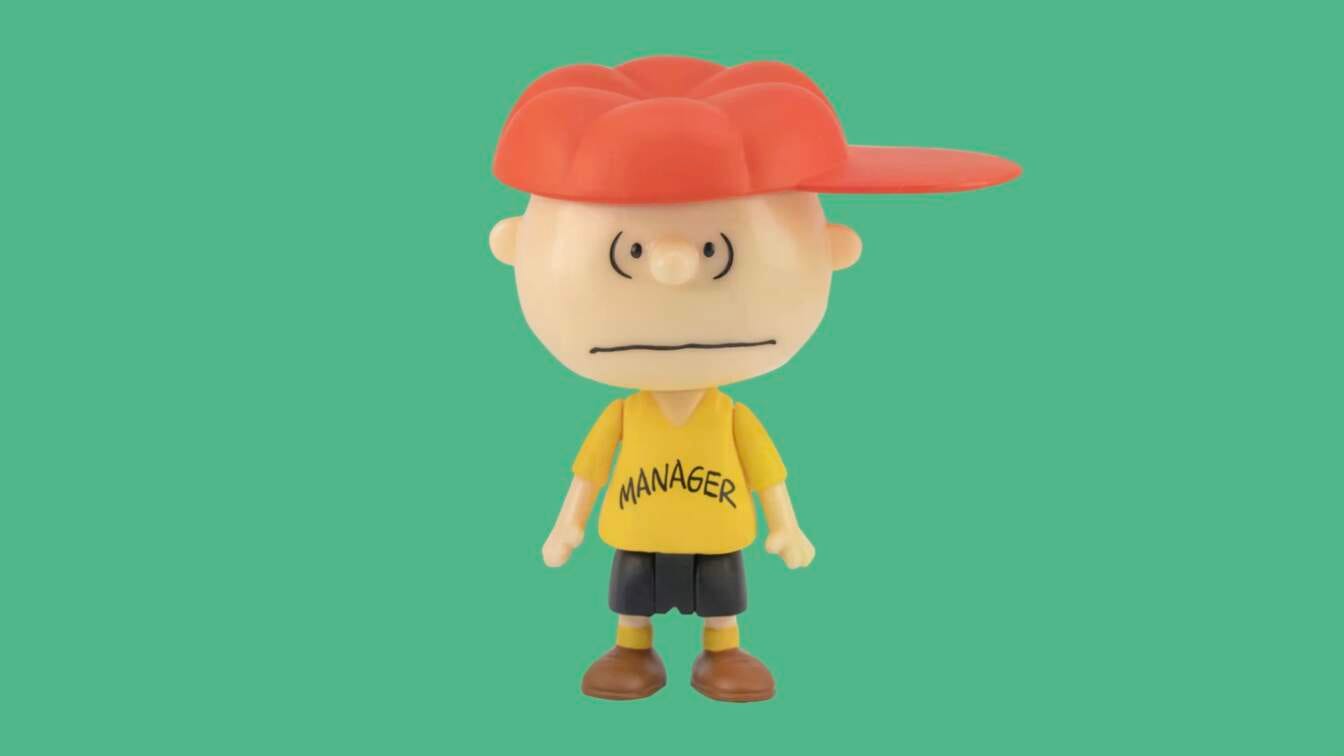
As you’ve probably heard, the Mets fired manager Carlos Mendoza last Friday. As a Mets fan, I heartily approve of the decision.
Just to be clear, my issues with Mendoza had nothing to do with his in-game management. Like most of today’s big league skippers, he was basically a cross between a functionary and a babysitter, with the front office making most of the decisions regarding roster composition, the daily lineup and batting order, the starting rotation, bullpen use, the running game, and so on.
My gripe with Mendoza had more to do with his communication style. I found him profoundly boring during his pre- and postgame interview sessions. Lots of canned quotes, clichés, empty platitudes, always playing it safe. No wit, no playfulness, no emotion, no fire, no intellectual curiosity. In short, he was boring — a forgivable shortcoming if you happen to be managing a good team but a mortal sin on a bad team like the Mets. I haven’t yet listened to an interview session with Mendoza’s interim replacement, Andy Green, but he can’t possibly be worse than Mendoza in this regard.
Mendoza’s lackluster public profile is symptomatic of a larger issue. MLB managers used to be interesting, colorful characters — loud, profane, arrogant, funny, projecting a sense of authority — but now they’re mostly bland technocrats at best, automatons at worst. They’re not so much managers as corporate middle managers. The decisionmaking, as noted above, is largely done by the GM and his staff. Meanwhile, the players make so much money that the managers no longer wield any real disciplinary power, so the skipper is basically an empty suit (or, if you prefer, an empty uniform). Worst of all, video-replay challenges and the new ABS system have mostly eliminated the entertaining spectacle of managers running onto the field and jawing with umpires, which was one of the best ways for a skipper to show off his personal style. In fact, we just passed the 25th anniversary of Pirates manager Lloyd McClendon stealing a base — literally.
Good luck seeing anything that entertaining from a current MLB manager.
The video challenge process really captures the emptiness of the current managerial role. Let’s say there’s a close call at second base. The bench coach will typically get on the phone from the dugout to the team’s video guru, who’s located somewhere in the bowels of the clubhouse. If the play looks like a bad call, the video guru will tell the bench coach, who then nods at the manager, who then signals the umpire by pantomiming the act of putting on headphones:
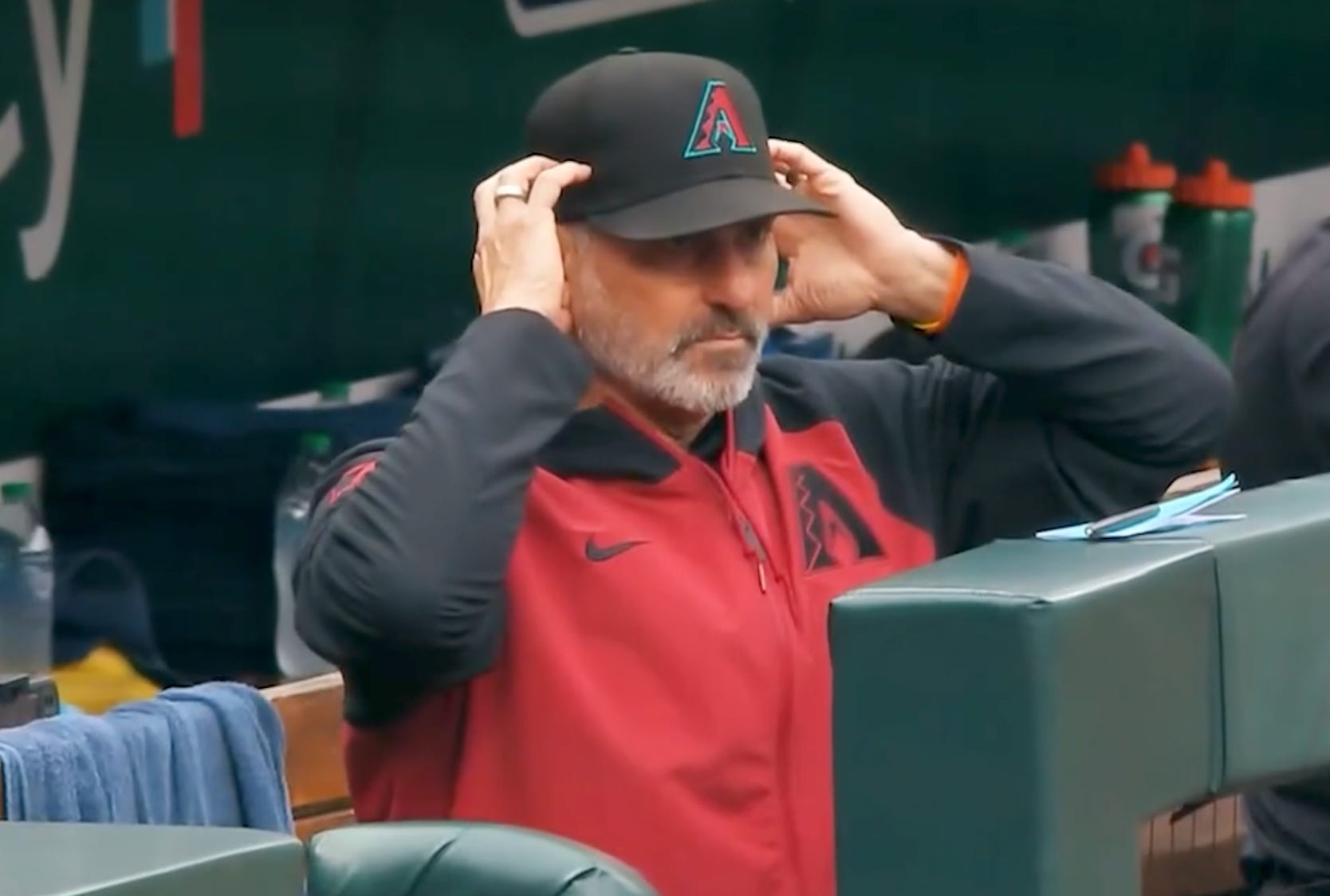
There’s something so stultifyingly bureaucratic about this process. Like, it somehow takes three separate people to get to the point where the manager can officially challenge a call by making a cringey hand gesture.
And that’s often the closest thing to an expressive, performative moment that a big league skipper will get to have in a game these days. He’ll likely spend the rest of the game poring over analytics on an iPad and conferring in whispered asides with his bench coach and pitching coach. In most cases, he’ll be doing all of this while wearing a pullover windbreaker or a hoodie (although Mendoza, to his credit, usually wore a proper jersey). I hate the pullover/hoodie look, but I have to admit that it seems to fit the public-facing persona that most managers exhibit these days. That persona isn’t entirely the managers’ fault — it comes with the system they now work within, and GMs are clearly hiring guys who’ll be okay working within that system — but it’s still a drag.
All of which brings us back to Carlos Mendoza. They way I see it, the front office calls so many of the shots these days that it doesn’t really matter that much who the manager is, at least from a wins/losses perspective. Whoever is installed in the position will execute the plan he’s given, push the buttons he’s told to push, and so on. So with everything else being equal, I’d at least like to have someone whose personal style is somewhat entertaining. And with so many traditional parts of the job having been neutered out of existence, pretty much the only remaining place for a skipper to express that personal style is in the pre- and postgame media availabilities.
That’s all I’m asking for as a fan: Give me a manager who’s interesting to listen to before and after the game. Mendoza was a total snooze in that regard, so good riddance. As for Andy Green, he’s already announced that he doesn’t want to keep the job next year, so maybe that will free him up to speak his mind a bit more. We’ll see.